Ingredient name record
Azelaic Acid
Korean search label: 아젤라익애씨드
Evidence at a glance
Evidence coverage, not an efficacy or safety score.
Identity & coverage details
Official CosIng inventory context recorded; chemical identity and the complete current regulatory profile remain unverified; selected human studies available.
Recorded presence is not a safety rating, recommended dose or benefit claim.
Identity and formulation context
Names are indexed using case and whitespace normalization. Botanical, chemical and marketing identities have not been independently equated.
These are drug-treatment studies in melasma or rosacea. Concentrations and schedules describe experiments, not cosmetic recommendations. No transfer to potassium azeloyl diglycinate or a finished Treatfolio product is established.
Discovery spellings and aliases
azelaic · azelaic acid · azelaic acid 10% · 아젤라산 · 아젤라익 · 아젤라익 애씨드 · 아젤라익애씨드
Search-only metadata; an alias is not proof of chemical equivalence.
Functions listed by CosIng
Inventory functions describe the ingredient entry, not a finished product’s effects.
How this inventory match is used
The European Commission’s CosIng inventory is informational. An entry is not permission to use an ingredient or a safety assessment. Listed functions describe the inventory entry; they do not establish a finished product’s effects. The match uses the exact ingredient name, with case and whitespace normalization.
AZELAIC ACID · Inventory identifiers
- Inventory record
- 74538 · Active
- CAS identifiers in this entry
- 123-99-9
- EC identifiers in this entry
- 204-669-1
Checked 2026-10-02 · Read the official CosIng entry
Human study context
Primary publications checked 2026-10-02. These are selected studies, not a systematic review, safety rating or instructions for using a product.
The treatment of melasma. 20% azelaic acid versus 4% hydroquinone cream
- Material tested
- 20% azelaic acid cream, compared with 4% hydroquinone cream; both accompanied by broad-spectrum sunscreen.
- Study design
- Double-blind active-comparator study.
- Participants
- 329 women with melasma.
- Concentration and schedule in the study
- 24 weeks; application frequency is not given in the abstract.
- What the authors reported
- The azelaic-acid group had good or excellent overall ratings in 65% of cases. Overall rating, lesion-size reduction and pigmentation changes did not differ significantly between groups.
What this does not establish
- Concurrent sunscreen and the active comparator prevent isolation against an untreated control.
- This was disease treatment with 20% cream, not a test of cosmetic serums or azelaic-acid derivatives.
- No observed severe reactions in this study does not establish universal safety.
A phase 3 randomized, double-blind, vehicle-controlled trial of azelaic acid foam 15% in the treatment of papulopustular rosacea
- Material tested
- 15% azelaic acid foam compared with foam vehicle.
- Study design
- Randomized, double-blind, multicenter phase 3 vehicle-controlled trial.
- Participants
- Patients with papulopustular rosacea; sample size is not stated in the abstract.
- Concentration and schedule in the study
- Twice-daily study application; treatment duration is not stated in the abstract.
- What the authors reported
- Investigator-rated treatment success and inflammatory-lesion reduction were greater with the active foam than vehicle. Reported drug-related adverse events were mainly local skin reactions of mild-to-moderate severity.
What this does not establish
- A medicinal foam for diagnosed rosacea is not interchangeable with a cosmetic serum.
- The abstract omits sample size and duration; the full protocol was not reviewed.
Still unverified
- This is a selected partial literature record, not a systematic review or a complete scientific profile.
- Cosmetic functions and jurisdiction-specific restrictions are not established by these research abstracts.
- Study preparations have not been matched to any Treatfolio product, batch, market or concentration.
- Chemical identity, the complete current regulatory profile and finished-product effects remain unverified.
Search interest & consumer questions
Explore dated interest, supplier activity and selected discussions. Topic labels do not establish ingredient equivalence or product effects.
Products with recorded occurrences
20 product records. Matches include reviewed amount annotations where available. Open a product to see the original source token, market and date.
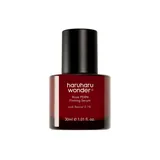 Photo unavailableHaruharu Wonder · Face serumFirming Serum (with Retinal 0.1%)2 formula records · Observed 2026-08-15Official instructions · Checked 2026-10-02
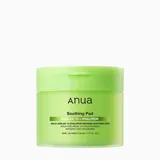 Photo unavailableAnua · Hydrating tonerAzelaic 10 Hyaluron Redness Soothing Pad1 formula record · Observed 2026-08-15Official instructions · Checked 2026-10-02
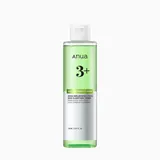 Photo unavailableAnua · Hydrating tonerAzelaic 3 Cica Skin Clarifying Toner1 formula record · Observed 2026-08-15Official instructions · Checked 2026-10-02
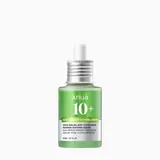 Photo unavailableAnua · Face serumAzelaic Acid 10 Hyaluron Redness Soothing Serum1 formula record · Observed 2026-08-15Official instructions · Checked 2026-10-02
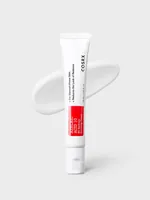 Photo unavailableCOSRX · Face creamCOSRX Azelaic Acid 10 B5 Redness Soothing Cream1 formula record · Observed 2026-08-15Official instructions · Checked 2026-10-02
 Photo unavailableHaruharu Wonder · Face serumSoothing Serum1 formula record · Observed 2026-08-15Official instructions · Checked 2026-10-02
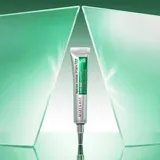 Photo unavailableMary&May · Face creamMary&May Spicule Azelaic PDRN Spot Cream1 formula record · Observed 2026-08-20Official instructions · Checked 2026-10-02
 Photo unavailableSKIN1004 · Ampoule / boosterAzelaic Acid 10 Ampoule1 formula record · Observed 2026-08-15Official instructions · Checked 2026-10-02
 Photo unavailableAnua · Foam cleanser8 Hyaluronic Acid Hydrating Gentle Foaming Cleanser1 formula record · Observed 2026-08-15Official instructions · Checked 2026-10-02
 Photo unavailableAnua · Face creamAzelaic Acid CICA Skin Soothing Moisturizer1 formula record · Observed 2026-08-15Official instructions · Checked 2026-10-02
 Photo unavailableAnua · Lip balm / treatmentPDRN Lip Serum1 formula record · Observed 2026-08-15Official instructions · Checked 2026-10-02
 Photo unavailableAnua · Pimple / spot patchUltra-Thin Spot Cover Patch1 formula record · Observed 2026-08-15Official instructions · Checked 2026-10-02
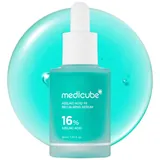 Photo unavailablemedicube · Face serumAzelaic Acid 16 Calming Serum1 formula record · Observed 2026-08-20Official instructions · Checked 2026-10-02
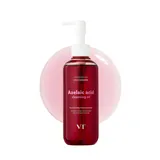 Photo unavailableVT Cosmetics · Cleansing oilAzelaic Acid Cleansing Oil1 formula record · Observed 2026-08-20Official instructions · Checked 2026-10-02
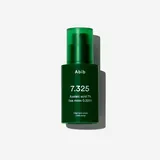 Photo unavailableAbib · Face serumClear spot serum 7.325 pump2 formula records · Observed 2026-08-20
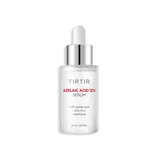 Photo unavailableTIRTIR · Face serumAzelaic Acid 12% Serum1 formula record · Observed 2026-08-20
 Photo unavailableAnua · Cleansing oilHeartleaf Pore Cleansing Oil Mild1 formula record · Observed 2026-08-15
 Photo unavailableAnua · Pimple / spot patchRumi Ultra-thin Spot Cover Patch (55ea)1 formula record · Observed 2026-08-15
 Photo unavailableAnua · Pimple / spot patchRumi Ultra-thin Spot Cover Patch with Case (28ea)1 formula record · Observed 2026-08-15
Related product examples are shown above. Search all recorded products.